
The Humble Beginnings: The Founding of McDonald’s
McDonald’s, one of the most recognizable fast-food chains globally, traces its roots back to 1940 when brothers Richard and Maurice McDonald opened their first restaurant in San Bernardino, California. Initially dubbed “McDonald’s Bar-B-Q,” the establishment was characterized by a traditional drive-in service that soon evolved into a more efficient model. The brothers focused on streamlining their operations, which ultimately led to the development of the “Speedee Service System,” drastically altering the landscape of the fast-food industry.
The Speedee Service System revolutionized how food was prepared and served, emphasizing speed, lower prices, and efficiency. This system was instrumental in minimizing wait times for customers and optimizing food production, creating a reliable and repeatable process for serving a simple menu. Such innovations laid a strong foundation for what would become McDonald’s hallmark—quick service.
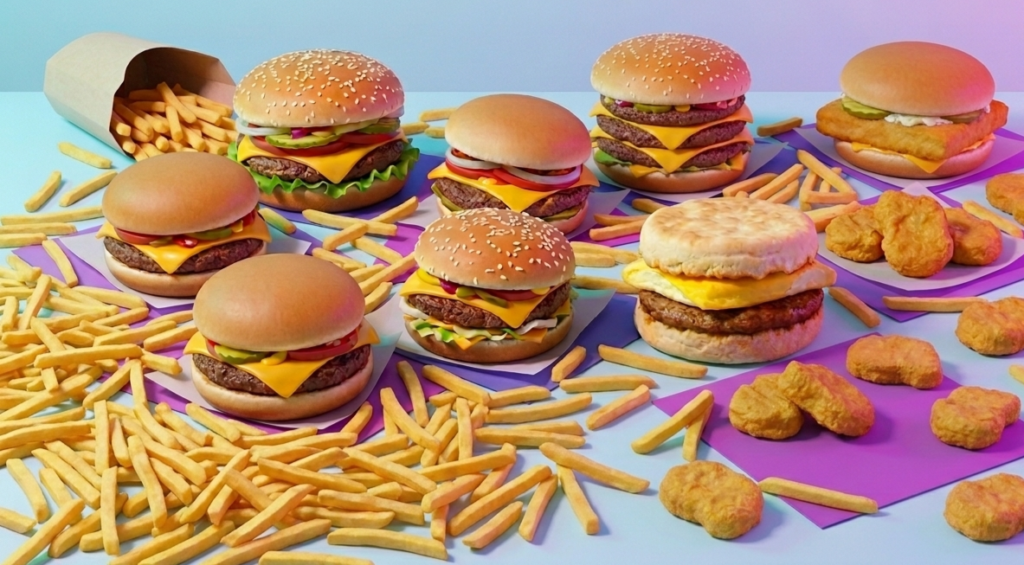
The original menu was crucial, featuring a limited selection of items that included hamburgers, cheeseburgers, fries, and beverages. The approach of focusing on a few items allowed the McDonald brothers to perfect their offerings, ensuring consistency and quality. This model not only catered to the growing demand for convenience during the post-war era but also set the stage for future expansion. Their dedication to a straightforward but effective menu attracted a loyal customer base, paving the way for growth.
The pivotal shift to a franchise model began in 1955 when Ray Kroc entered the picture. Kroc, a milkshake machine salesman, recognized the potential of the McDonald brothers’ concept and played a significant role in expanding the brand beyond California. His collaboration was key to transforming McDonald’s from a local operation into an international franchise leader, fundamentally changing the fast-food industry landscape as we know it.
Ray Kroc: The Visionary Behind the Brand
In 1954, Ray Kroc, a struggling milkshake machine salesman, stumbled upon the McDonald brothers’ restaurant in San Bernardino, California. This encounter would set in motion a series of transformative events that would shape the fast-food industry as we know it today. Kroc was captivated by the efficiency of the brothers’ operation, which emphasized speed and consistency, traits he believed were essential for broadening the franchise model.
Kroc’s vision to franchise the McDonald’s concept commenced shortly after this pivotal meeting. He initiated a partnership with the McDonald brothers, focusing on delivering high-quality food quickly. Underlying Kroc’s approach was a commitment to standardization, ensuring that every McDonald’s restaurant would offer an identical experience, regardless of location. This approach not only appealed to consumers but also drew the interest of potential franchisees.
Throughout the late 1950s and early 1960s, Kroc’s relentless pursuit of expansion resulted in a rapid proliferation of McDonald’s outlets, transforming it into a ubiquitous fast-food brand across the United States. He implemented innovative marketing strategies and embraced the burgeoning advertising landscape, allowing the brand to resonate with a wider audience. Kroc also introduced the concept of the franchise fee, which secured a revenue stream while empowering entrepreneurs to operate their own McDonald’s locations.
By prioritizing principles of quality and consistency, Kroc established a strong foundation for the brand, ensuring that each restaurant maintained the McDonald’s promise. His efforts during this crucial period laid the groundwork for what would become one of the largest and most recognizable fast-food chains worldwide. Ray Kroc’s influence and vision, paired with a commitment to replicating the McDonald brothers’ successful model, were instrumental in turning McDonald’s into a cultural institution, defining not only the fast-food landscape but also American dining as a whole.
The Rise of the Golden Arches: Global Expansion and Cultural Impact
Since its inception, McDonald’s has expanded from a single restaurant in San Bernardino, California, to a global phenomenon, symbolized by the iconic Golden Arches. As the brand entered international markets, it adeptly modified its menu offerings to align with local tastes and cultural preferences. For instance, in India, where beef is largely avoided due to religious beliefs, the introduction of the McAloo Tikki burger represents the chain’s ability to adapt to the dietary customs of the region.
This strategic localization has not only enabled McDonald’s to thrive in diverse markets but has also contributed to the globalization of fast food culture. The company’s marketing strategies have leveraged its golden arches as a powerful symbol, merging familiarity with cultural relevance. Campaigns often highlight community involvement and local events, creating a brand identity that resonates with various demographics while maintaining an overarching global image.
McDonald’s has played a noteworthy role in popular culture, frequently featured in films, television programs, and music. Its presence often serves as a backdrop for themes related to American culture and consumerism. The golden arches have become shorthand for fast food convenience and, at times, critiques of commercialization. Notable references in pop culture underscore the brand’s impact on societal norms, often sparking discussions about public health and dietary preferences.
Furthermore, McDonald’s has been at the forefront of implementing sustainability initiatives, responding to growing consumer awareness regarding environmental issues. The transition to eco-friendly packaging and efforts to minimize waste illustrate the brand’s commitment to addressing modern concerns while sustaining its growth and relevance in the competitive fast food sector.
Challenges and Innovations: McDonald’s in the 21st Century
Entering the 21st century, McDonald’s faced a multitude of challenges that significantly impacted its business model and consumer perception. One of the most notable concerns was the increasing scrutiny of health issues related to fast food consumption. As public awareness of nutrition and obesity grew, so did the demand for healthier menu options. This consumer shift compelled McDonald’s to rethink its offerings and introduce items such as salads, fruit, and lighter meal alternatives. These innovations aimed to counteract negative perceptions and align with evolving dietary preferences.
Another prominent challenge was intensified competition within the fast-food industry. Emerging brands and fast-casual dining options attracted health-conscious customers, prompting McDonald’s to not only enhance its traditional menu but also explore new concepts like McCafé. The launch of premium coffee beverages catered to a market increasingly drawn to café-style experiences, combining speed with quality.
In addition to menu changes, McDonald’s embraced sustainability initiatives to address environmental concerns. This included commitments to reduce greenhouse gas emissions, improve packaging sustainability, and source ingredients responsibly. Such corporate responsibility efforts are designed to resonate with eco-conscious consumers, vital in maintaining brand loyalty in a competitive landscape.
Digital innovation has also played a pivotal role in McDonald’s adaptation strategies. The introduction of mobile ordering and delivery services has transformed how customers interact with the brand. Through user-friendly applications, consumers can seamlessly place orders for pickup or delivery, enhancing convenience and expanding the customer base.
As McDonald’s continues to navigate a rapidly evolving food landscape, the combination of embracing new technology, modifying its menu for health considerations, and committing to sustainability will be crucial. These strategies are essential for responding not only to immediate consumer demands but also to long-term industry trends.