When Dick and Maurice McDonald reopened their San Bernardino restaurant in 1948, they didn’t just change their menu—they changed the world. By ditching the traditional carhop service and a sprawling 25-item barbecue menu, they pioneered the “Speedee Service System.” This was a model of ruthless efficiency, focusing on high-volume, low-cost staples that could be prepared with assembly-line precision. At a time when a restaurant meal was an “event” that took time, the McDonald brothers turned it into a seamless process.
Back to Basics: The Original Lineup
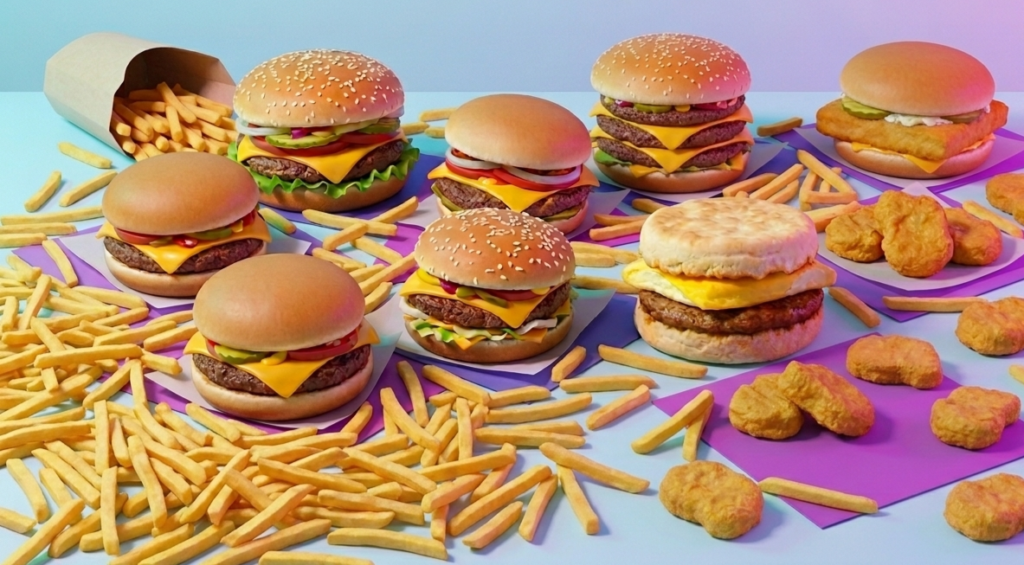
Before the era of seasonal promotions, Happy Meals, and McCafé lattes, the menu was a simple, unshakeable pillar of nine items. If you stepped up to the window in 1948, your options were:
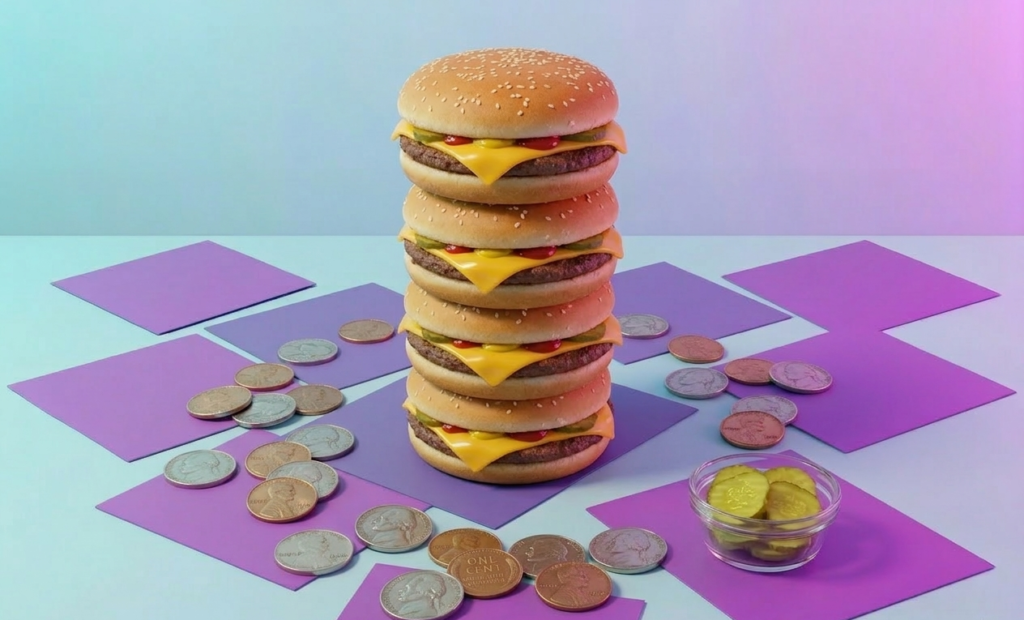
- Hamburger (15 cents): The cornerstone of the empire.
- Cheeseburger (19 cents): A premium four-cent upgrade.
- Potato Chips: Interestingly, the original crunch was bagged chips.
- French Fries: Soon replaced chips to become the gold standard of side dishes.
- Coffee: Served black and hot.
- Milk: A classic pairing for a family meal.
- Root Beer: A foamy, nostalgic favorite.
- Orange Drink: The precursor to the vibrant fruit drinks of today.
- Coke: The beginning of a legendary beverage partnership.
- Thick Shakes: So thick they required the multi-spindle mixers that eventually brought Ray Kroc to their door.
A 30-Second Revolution
The genius wasn’t just in what they served, but how they served it. By limiting the menu to items that required no forks, knives, or spoons, they eliminated the need for a dishwasher. By pre-wrapping burgers, they eliminated the wait.
This streamlined approach allowed them to serve a fresh hamburger in just 30 seconds. It wasn’t just a meal; it was a mechanical marvel that set the stage for the global phenomenon we know today.